
The Zero-Click Revolution: How to Rank in Google’s AI Overviews and Voice Search
Feb 20, 2026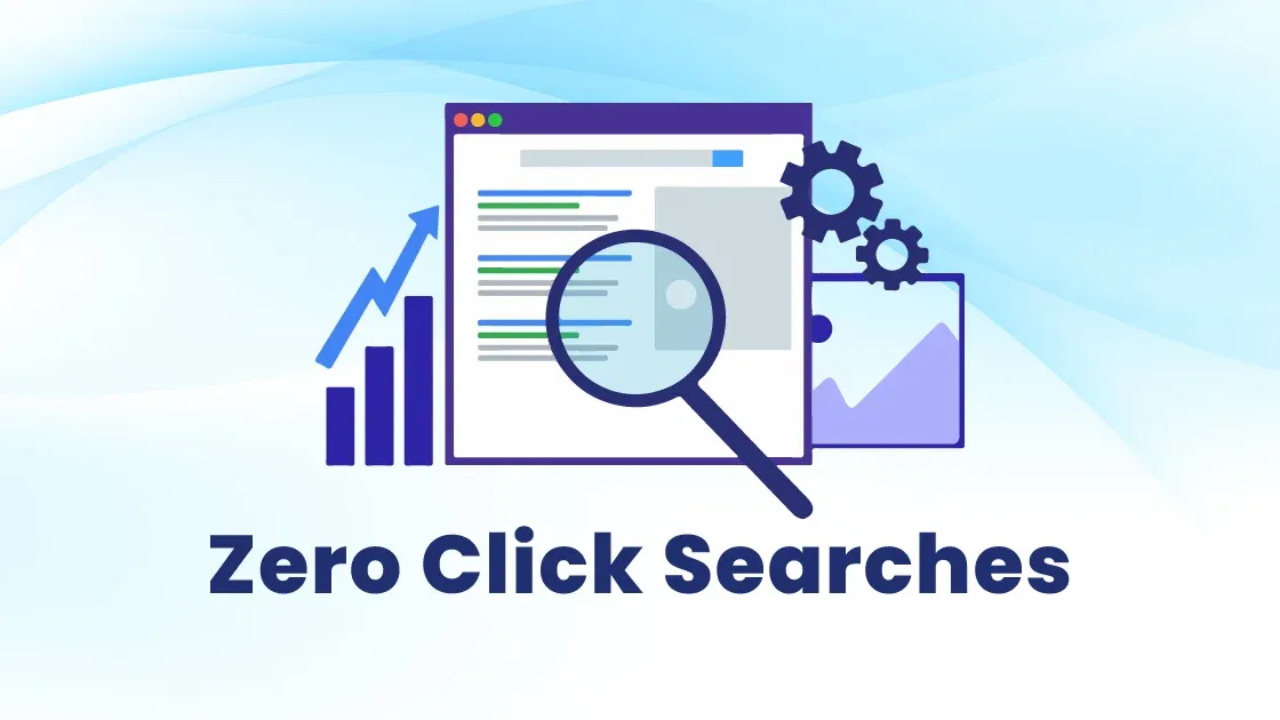
Last updated: April 2026 · Written by 20 Minute Marketing · 9 min read
The End of the "Ten Blue Links"
📘 Want the full picture? Read our AI tools every small business needs — the complete pillar guide this article is part of.
For twenty years, the goal of SEO was simple: get your website into the "Ten Blue Links" on Page 1. But as we move through 2026, the game has fundamentally changed. With the rollout of AI Overviews (formerly SGE) and the rise of advanced Voice Search via
This is the "Zero-Click" reality. If Google can answer a customer's question using your data, they might not visit your site—but they will see your brand as the authority. In 2026, being the "Cited Source" in an AI Overview is the new #1 ranking. This shift is a primary focus of our
Phase 1: Understanding "Information Gain"
Google’s AI doesn't want to repeat the same generic advice found on 1,000 other sites. It is looking for Information Gain—unique insights, personal experience, or local data that only you have.
How to Feed the AI
-
Case Studies: Instead of "We fix pipes," write "How we fixed a recurring tree-root blockage in a 1950s Forest Hill home."
-
Specific Data: Include pricing ranges, timeframes, and "if/then" scenarios.
-
The "Human" Angle: Use the
voice-to-blog workflow
Phase 2: Optimizing for Voice Search (Natural Language)
People don't type "Plumber Forest Hill" into their voice assistants. They ask: "Hey Google, who is the best plumber near me that is open now and can fix a burst pipe?"
The "Long-Tail" Question Strategy
To rank for voice, your content must mirror how people speak.
-
Use Full Questions as Headings: Instead of a heading like "Our Services," use "What services does a 24/7 emergency plumber provide in Forest Hill?"
-
The "Direct Answer" Paragraph: Immediately following a question heading, provide a 40–60 word direct answer. This is the "snippet" the AI will read aloud to the user.
-
Local Landmarks: Mentioning local landmarks (e.g., "near Forest Hill Chase Shopping Centre") helps voice assistants confirm your location relevance.
As noted by
Phase 3: Structured Data – The AI’s "Cheat Sheet"
In 2026, Schema Markup is no longer optional. This is a hidden layer of code that tells Google's AI exactly what your data means.
-
LocalBusiness Schema: Tells the AI your hours, service area, and phone number.
-
FAQ Schema: Highlights your "Question and Answer" pairs so the AI can pull them into the Overview.
-
Review Schema: Feeds your
review velocity signals
According to
Phase 4: Moving from "Traffic" to "Authority"
In a zero-click world, you might see your "Clicks" in
The 2026 "Brand Trust" Workflow
-
Be Everywhere: Ensure your
Google Business Profile posts -
Optimize for "Conversational Queries": Use your
FAQ database -
The "Citation" Win: Even if a user doesn't click, seeing "According to [Your Business Name]..." in a Google AI answer is the most powerful "Social Proof" you can get.
Chapter 5: Why Video is the Ultimate AI Content
Google’s AI can now "watch" videos to find answers. If you include a short video explaining a fix or a service, Google may feature a specific "clip" of that video in the search results.
-
The 20-Minute Habit: When you finish a job, record a 60-second video on your phone: "Hi, I'm [Name] from [Business]. We’re here in Forest Hill fixing [Problem]. Here is a tip to prevent this happening to you..."
-
The SEO Play: Upload this to YouTube (owned by Google) and embed it on your blog. This creates a "Triple Threat" of text, voice, and video data for Google’s AI to digest.
FAQ: Zero-Click and AI Search
"If people don't click, how do I make money?"
Zero-click searches are for information. When a user is ready to buy, they will still click or call. By being the "Information Authority," you ensure yours is the business they choose when they transition from "researching" to "hiring."
"Is SEO dead because of AI?"
No. SEO has just moved from "Gaming the System" to "Providing the Best Answer." The technical foundations—like speed, mobile-friendliness, and
"Will voice search work for my service business?"
Yes! "Near me" voice searches are the fastest-growing segment of local search. If you aren't optimized for voice, you are invisible to every customer using a smart speaker or car play.
Conclusion: Become the Answer
The future of search belongs to the businesses that provide the most helpful, clear, and structured information. Don't fight the "Zero-Click" revolution—embrace it. By positioning your business as the "Expert Source" for Google’s AI, you build a level of trust that no traditional advertisement can buy.
Ready to AI-Proof Your Business? In our
Enroll in the 20-Minute Marketing Essentials Course – Future-Proof Your SEO
Get the complete digital marketing system built for Australian small business.
Get Essentials Access →Want AI to do the marketing heavy lifting?
The 20 Minute Marketing course shows you exactly which AI tools to use, what to prompt and how to fold them into a 20-minute daily routine.
Built for time-poor Australian small business owners.
Learn digital marketing in 20 minutes a day
Self-paced courses from someone who runs digital for two national brands. Build skills you can show an employer or a client.