How to Create Buyer Personas for Your Small Business: A Practical Australian Guide
Jan 26, 2026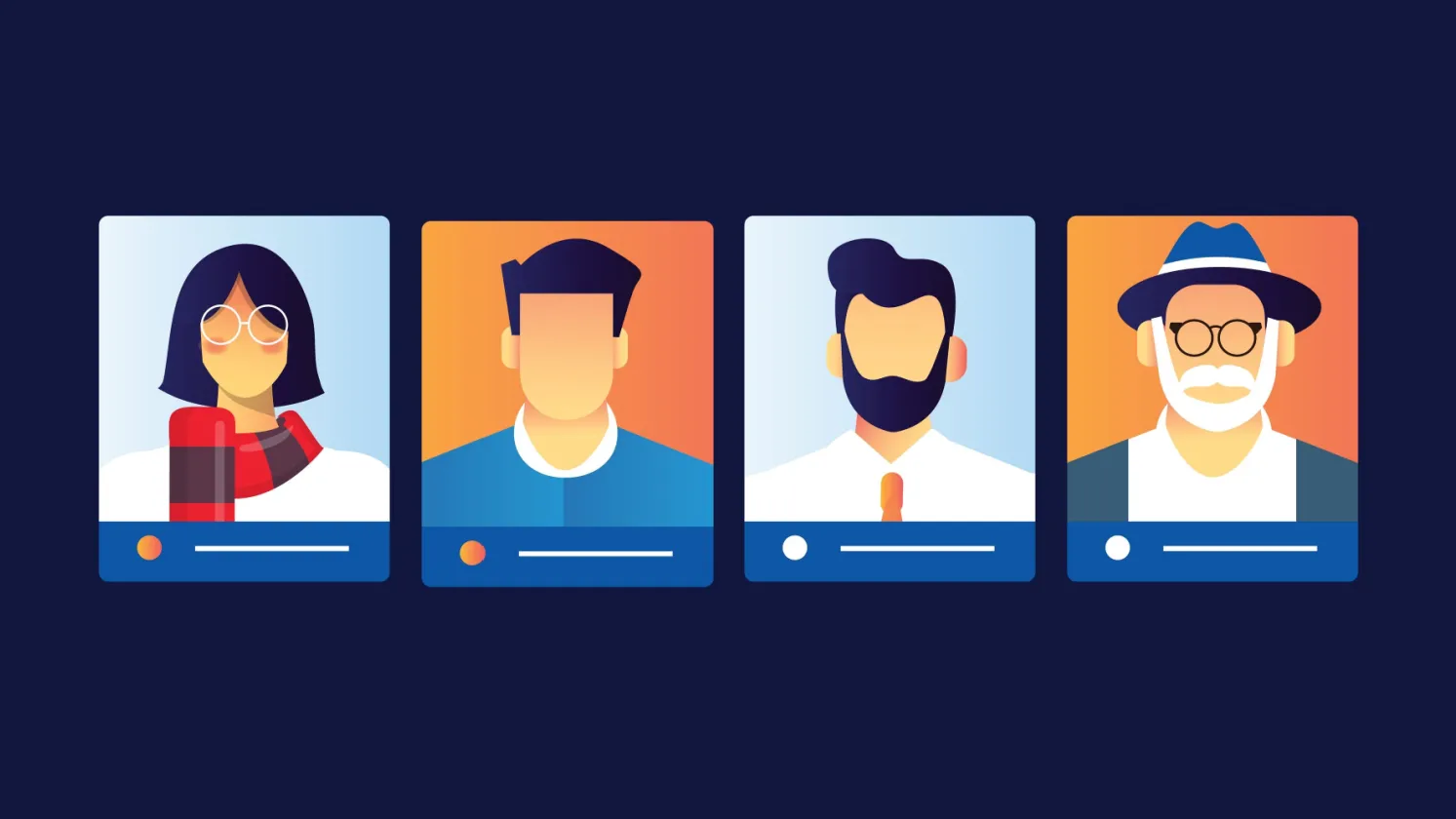
Last updated: April 2026 · Written by 20 Minute Marketing · 9 min read
Here is a question worth sitting with for a moment: if someone asked you to describe your ideal customer in detail — not just "anyone who needs what I sell," but a specific person with specific goals, fears, habits, and search behaviours — how clearly could you answer?
Most small business owners can give you a demographic sketch. "Female, 35–55, homeowner, inner suburbs." That is a starting point. But it is not a buyer persona, and it is not enough to write compelling ad copy, choose the right social media platform, or understand why someone visits your website and then leaves without making contact.
A proper buyer persona is one of the most commercially useful documents a small business can have. Done right, it makes every subsequent marketing decision faster, cheaper, and more effective — because instead of trying to appeal to everyone, you are speaking directly to someone. This guide shows you exactly how to build one from scratch.
What Is a Buyer Persona and Why Does It Matter?
📘 Want the full picture? Read our our Australian marketing courses guide — the complete pillar guide this article is part of.
A buyer persona (sometimes called a customer avatar) is a semi-fictional representation of your ideal customer, built from real data and educated inference. It is not a description of all your customers — it is a portrait of the customer you most want more of. The one who values what you do, pays without complaint, refers their friends, and comes back.
According to HubSpot's research on buyer personas, businesses that use documented personas see significantly higher marketing ROI, shorter sales cycles, and better alignment between their content and what their customers actually care about. This is because personas force you to stop making assumptions and start making decisions based on what you actually know about your customers.
For Australian small businesses, personas matter even more because the Australian consumer behaves differently to the American or British consumer that most global marketing advice is calibrated for. Australians are more sceptical of overt salesmanship, more likely to research heavily before buying, and more influenced by local reputation and reviews than by brand prestige. A persona built on Australian customer data reflects these realities. Use personas to sharpen your our local SEO tips to reach those nearby customers.
Step 1: Start with Your Best Existing Customers
The best raw material for a buyer persona is not demographic research — it is the customers you already have and love working with. Identify your top five to ten clients from the past year. These are the ones who:
- Paid on time and without negotiating your price down.
- Came back for additional work or referred someone to you.
- Left a positive review or gave unsolicited praise.
- Understood the value of what you do without needing it explained at length.
Now ask yourself: what do these people have in common? Not just their age or suburb — but their situation. What were they trying to solve when they found you? What had they already tried? What almost stopped them from hiring you? What made them finally decide to act?
If you can, have actual conversations with two or three of these customers. A 15-minute phone call asking genuinely open questions — "What were you worried about before we started working together?" and "How did you find us?" — will give you more useful persona information than any survey tool.
Step 2: Build the Persona Template
A functional buyer persona document does not need to be elaborate. It needs to answer the questions that inform your marketing decisions. Here is the template we use at 20 Minute Marketing:
Section 1 — Demographics and Context
- Name (give them a fictional name — it makes them feel real): e.g., "Renovating Rachel"
- Age range, location, household type
- Occupation and income level
- Technology comfort level (high, medium, low)
- How they primarily search: Google, social media, word of mouth
Section 2 — Goals and Motivations
- What is the primary outcome they want from a business like yours?
- What does success look like for them — beyond just the functional outcome?
- What do they tell their friends when they recommend a business like yours?
Section 3 — Pain Points and Fears
- What problem were they experiencing before finding a solution?
- What are they most afraid of when hiring someone in your category? (Being overcharged? Shoddy work? Slow communication?)
- What has gone wrong for them in the past with businesses like yours?
Section 4 — Decision Triggers
- What finally prompted them to search for a solution?
- What do they look for when evaluating options? (Reviews? Price? Credentials? Locality?)
- What objections do they have before buying, and how do they overcome them?
Section 5 — Where They Spend Time Online
- Which social media platforms do they use actively, and for what purpose?
- Do they watch YouTube? Read blogs? Listen to podcasts?
- What search terms would they use to find a business like yours?
Step 3: Validate with Real Research
Once you have a draft persona built from your best customers, validate it with data before making major marketing decisions based on it. Here are four free research methods that work well for Australian small businesses: Turn persona language into find the keywords your personas actually search.
- Google Search Console: Shows you the actual terms people are typing to find your website. Often reveals search intent that surprises business owners. Our Search Console guide walks through how to read this data.
- Google Business Profile Insights: Shows how customers found your profile, what they searched for, and what actions they took. Valuable for local businesses wanting to understand discovery behaviour. See why your Google Business Profile is a marketing powerhouse.
- Reddit and Facebook Groups: Search for communities related to your industry or service area. The questions people ask and problems they describe in these forums are gold for persona building — they are real customers talking about real frustrations with zero filter.
- Review Mining: Read the reviews your competitors are receiving (and the ones they are not). Negative reviews especially reveal what your potential customers fear and what they wish had been different.
Nielsen Norman Group's research on personas found that the most effective buyer personas are those built from direct customer research rather than assumptions — even brief, informal interviews dramatically outperform internally constructed guesses.
Step 4: Turn Your Persona into a Marketing Filter
A persona document sitting in a folder is worthless. Its value is as a filter you apply to every marketing decision. Before writing ad copy, ask: "Would this speak to Rachel?" Before choosing a social media platform, ask: "Is this where Rachel actually spends time?" Before writing a blog post, ask: "Is this answering a question Rachel would actually type into Google?" Measure the impact with the marketing metrics that show your persona work is paying off.
This shifts your marketing from guesswork to deliberate communication. It is also the reason your brand framework becomes significantly more effective once you have a clear persona — because brand voice, tone, and visual style all flow from an understanding of who you are speaking to.
For your Google Ads campaigns specifically, your persona directly informs your keyword strategy, your ad copy, and your negative keyword list. Someone who knows that "Renovating Rachel" is worried about tradies who don't show up or communicate clearly will write completely different ad copy to someone who doesn't have that insight — and will get a significantly higher click-through rate because of it.
How Many Personas Do You Need?
Most small businesses with a focused service offering need one to three personas. More than three and you risk diluting your messaging by trying to speak to too many audiences simultaneously.
Start with one: your single most valuable customer type. Build that persona thoroughly. Apply it to your marketing for three months. Once you have seen the results, consider whether a second persona — perhaps representing a different service line or a different customer journey — would add meaningful value.
A common mistake is creating multiple personas that are essentially variations of the same person. "Budget Buyer Brad" and "Premium Client Patricia" are useful only if your business genuinely offers different products, messaging, or pricing tiers for each. If you are a single-service tradie or a local specialist, one well-developed persona will serve you far better than three thin ones.
Maintaining Your Personas Over Time
The Australian market changes. Customer expectations evolve. New competitors enter your space. Revisit your personas annually — ideally after doing another round of customer conversations — to ensure they still reflect the reality of who is buying from you and why.
According to Marketo's guide to buyer personas, businesses that update their personas annually see measurably better marketing results than those who set them once and never revisit. Markets move. Your personas should too.
The goal of a buyer persona is not to describe your average customer — it is to describe your best customer so accurately that your marketing acts as a magnet for more people exactly like them.
A Practical Example: Persona for a Sydney Building Inspector
To make this concrete, here is a shortened example of a persona built for a Sydney-based building inspection business:
Name: First-Home Buyer Frank
Age: 28–38, Sydney suburban or inner-ring suburbs
Situation: About to make the largest purchase of his life and terrified of missing something expensive
Primary fear: Paying $900k for a house with a major structural fault the vendor didn't disclose
Search behaviour: Googles "building inspection Sydney" after putting in an offer; reads at least three provider websites and compares reviews before choosing
Decision trigger: Urgency from conveyancer or real estate agent with a tight cooling-off period
What he wants to see: Clear qualifications, recent local reviews, fast availability, plain-English reports
Objection: "All building inspectors are the same" — overcome by specificity about methodology and sample reports
Every piece of content, every ad, and every website element for this business should be written with Frank in mind. The keyword is not just "building inspection Sydney" — it is "building inspection Sydney reviews," "how to choose a building inspector," and "what does a building inspection cover." All of these emerge directly from understanding Frank's journey.
Learn the Full Customer Strategy System
Buyer personas are just the beginning. Our Digital Marketing Course dedicates an entire phase to understanding your customer — including how to build personas, map the customer journey, and translate both into marketing campaigns that attract the right people automatically.
100 lessons. 20 minutes each. Built for Australian small business owners who are serious about growing.
Explore the Deluxe Course →Get the complete digital marketing system built for Australian small business.
Join the Essentials Course →Want this taught properly in class format? complete Digital Marketing Class.
The course Australian small businesses choose.
20 Minute Marketing is built specifically for Australian small business owners — local context, local case studies, and a system that fits a busy day.
Built for time-poor Australian small business owners.
Learn digital marketing in 20 minutes a day
Self-paced courses from someone who runs digital for two national brands. Build skills you can show an employer or a client.