
Small Business Branding: How to Build a Professional Brand Without the $5,000+ Agency Bill
Feb 17, 2026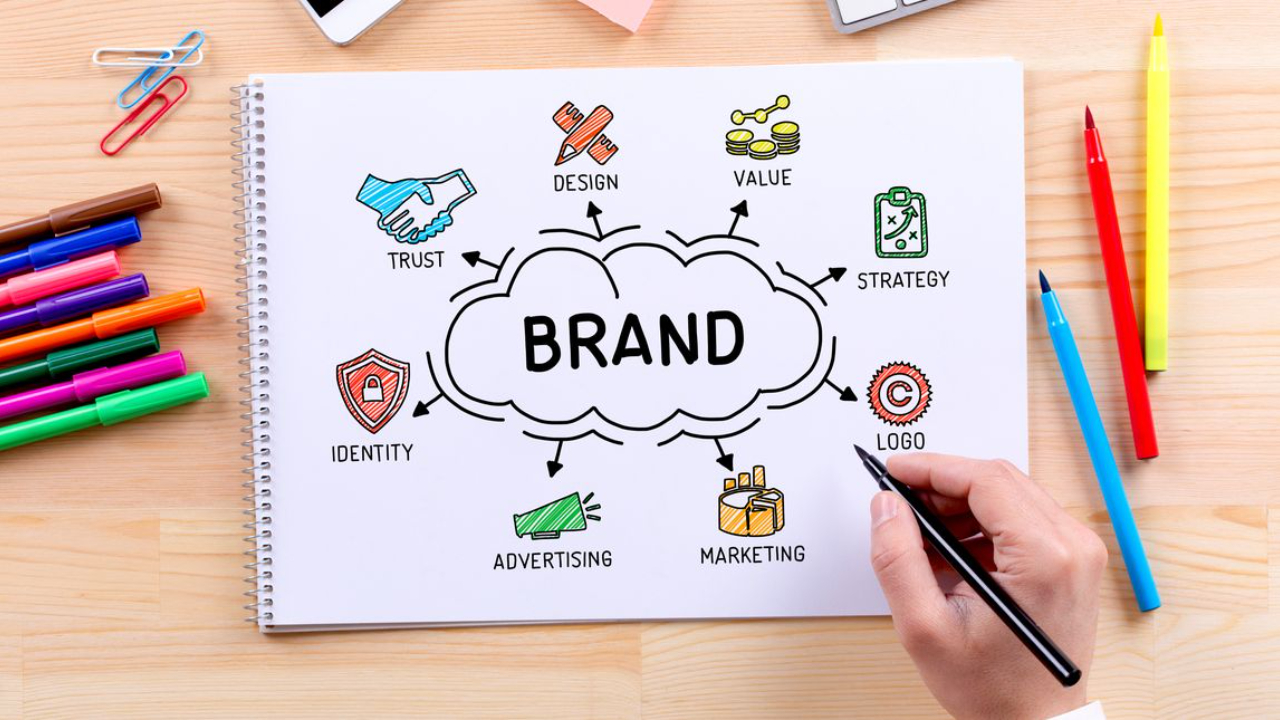
Last updated: April 2026 · Written by 20 Minute Marketing · 9 min read
Here's what most Australian small business owners don't realize:
You don't need to hire a branding agency to have a professional, consistent brand.
That $5,000-$15,000 investment in agency branding? You can do it yourself. In fact, you'll probably do it better because nobody understands your business like you do.
The problem isn't that small business branding is too complicated. The problem is that most branding advice is either:
❌ Too vague ("just find your brand voice") ❌ Too theoretical (disconnected from reality) ❌ Too expensive (requires hiring an agency) ❌ Too technical (overwhelming jargon)
What most small business owners actually need is a practical, step-by-step system to build a professional brand framework—the same thing a branding agency would create for you—but in a format you can actually use and maintain yourself.
This comprehensive guide walks you through exactly that process. By the end, you'll have a documented brand framework that's just as professional as anything an agency would create, but tailored specifically to your Australian small business.
The Real Cost of Not Having a Strong Brand
📘 Want the full picture? Read our practical marketing for small business — the complete pillar guide this article is part of.
Before we talk about how to build your brand, let's talk about what happens when you don't.
Without a Clear Brand, You Lose Money
When your branding isn't consistent or clear:
You lose customers to competitors: A prospect visits your website, then checks out a competitor's site. The competitor's branding is clearer, more professional, more memorable. Guess who they choose?
You waste marketing money: You're running ads, but your messaging is unclear. You're creating content, but it's not consistent. You're on social media, but your brand personality is all over the place. Result: lower conversion rates, higher cost per customer.
You confuse your target audience: Without clear positioning and messaging, people don't understand what you actually do or who you help. They move on to businesses with clearer value propositions.
You appear unprofessional: Inconsistent logos, mismatched colours, unclear messaging—these signal that you're not serious or professional. People question whether they can trust you.
You can't scale: Without documented brand guidelines, every new team member or external partner has to guess how to represent your brand. This leads to inconsistency and lost brand value.
With a Strong Brand, You Gain Competitive Advantage
When your branding is clear, consistent, and professional:
✅ Customers remember you - Consistent visual identity and messaging make you instantly recognizable
✅ You stand out from competitors - A clear brand with distinct personality helps you differentiate
✅ Marketing becomes more effective - Clear messaging and targeted brand positioning improve conversion rates
✅ You appear more professional - Consistency signals competence and trustworthiness
✅ You can scale confidently - Documented guidelines ensure consistency as your team grows
✅ You attract ideal customers - Clear positioning attracts customers who are right for you
✅ You command premium pricing - A strong brand supports higher prices by conveying quality and value
The cost of not having a strong brand is real. The good news? Building one doesn't require spending thousands on an agency.
What Is Small Business Branding? (It's Not Just a Logo)
Before we build your brand, let's make sure we're clear on what we're actually building.
Branding Is NOT Just a Logo
This is the biggest misconception about branding.
Your logo is part of your brand, but it's not your brand.
Your brand is the complete perception your customers have of your business. It's what they think of, feel, and remember when they encounter your name or see your business.
What Your Brand Actually Is
Your brand is the collection of:
Your Purpose and Values
- Why your business exists
- What you stand for
- What matters to you
Your Positioning
- Who you serve
- What makes you different
- Where you fit in the market
Your Promise
- What customers can expect from you
- The value you deliver
- The experience you provide
Your Personality
- How you communicate
- What you're like as a "person"
- How you make customers feel
Your Visual Identity
- Your logo and how it's used
- Your colours
- Your typography
- Your imagery style
Your Consistency
- The same look across all platforms
- The same voice in all communications
- The same experience at every touchpoint
When all these elements are clear, documented, and applied consistently, you have a strong brand. You don't need an expensive agency to create this. You just need a clear process.
Why Australian Small Businesses Need Branding (And Why Now)
Here's the reality for Australian small businesses in 2026:
You're Competing in a Digital-First Market
Your customers are online. They're searching for you. They're checking your website before they call. They're reading your social media before they decide whether to do business with you.
Without a clear, professional brand online, you lose before you even get a chance to pitch.
Your Competitors Are Branding
Your competitors—many of them—are investing in their brands. They have consistent logos, clear messaging, professional websites, and cohesive social media presence.
If you don't match that professionalism, customers assume you're less serious or less capable. They choose the competitor who looks more professional.
Customers Expect Consistency
Modern customers expect a consistent experience across all your channels:
- Your website should look like your social media
- Your emails should match your brand
- Your in-person interactions should reflect your brand promise
- Your customer service should embody your brand values
Without documented brand guidelines, consistency is impossible.
You Can't Afford NOT to Brand
Here's the counterintuitive truth: Not branding costs you more money than branding.
Unclear messaging = lower conversion rates = you need to spend more on marketing to get the same results.
Unprofessional appearance = customers hesitate = longer sales cycles = higher customer acquisition costs.
Inconsistent brand = marketing confusion = wasted marketing budget.
A clear, consistent brand actually saves you money and makes your marketing more effective.
The 6-Step Process to Build Your Small Business Brand
Now let's build your brand. Here's the practical, step-by-step process:
Step 1: Define Your Core Brand Identity
This is the foundation. Everything else builds on this.
Your Mission, Vision, and Values:
Mission Statement (Your purpose today): Example: "To provide busy local families with delicious, healthy meal kits that simplify weeknight dinners."
Write 1-2 sentences explaining what you do, who you do it for, and the impact you aim to make right now.
Vision Statement (Your aspiration for the future): Example: "To be the most trusted and convenient provider of family meal solutions in the region."
Think bigger picture. Where do you want your business to be in 5-10 years?
Values (3-5 core beliefs): Example: Quality, Community, Sustainability, Customer Care
What principles guide your decisions? What do you stand for?
Your Ideal Customer:
Go deep here. Not just "women aged 25-45." Think about:
- Demographics (age, location, income, family status)
- Goals and aspirations
- Challenges and pain points
- Where they spend time online
- What they value in a business
The clearer your ideal customer, the better your branding will resonate with them.
Your Unique Selling Proposition (USP):
What makes you different and better than competitors from your customer's perspective?
Example: "Our meal kits use only locally-sourced organic ingredients, delivered fresh to your door weekly—supporting local farmers while simplifying your weeknight dinners."
Your Brand Positioning:
How do you fit in the market?
Formula: For [Target Audience], [Your Business Name] is the [Category] that [Key Benefit] because [Reason to Believe].
Example: "For busy local families, [Your Meal Kit] is the meal kit delivery service that simplifies weeknight dinners because we provide pre-portioned, locally-sourced organic ingredients and easy-to-follow recipes."
Actionable step: Create a simple Google Doc titled "Brand Identity" and fill in each section above. This is your foundation.
Step 2: Craft Your Brand Story and Messaging
Your brand is a narrative, not just facts.
Your Brand Story:
Why does your business exist? What problem are you solving? What are you passionate about?
Example: "Sarah founded [Company] after struggling to find healthy, convenient meal options for her busy family. She believed that wholesome, locally-sourced meals shouldn't be a luxury—they should be accessible to every family. By partnering with local farms and creating simple recipes, [Company] was born."
Your Core Brand Message:
Distill your USP and story into a single, memorable phrase.
Examples:
- "Effortless, healthy family dinners"
- "Local ingredients, family values"
- "Meals that nourish, communities that thrive"
Your Messaging Pillars (3-5 Key Themes):
These are the main supporting points you communicate consistently.
Examples:
- Convenience - Saves time, easy to cook
- Quality - Locally-sourced, organic, fresh
- Health - Balanced meals, nutritious choices
- Community - Supporting local farmers
- Sustainability - Pre-portioned ingredients, minimal waste
Your Elevator Pitch:
A 30-second summary of your business.
Example: "We deliver pre-portioned, locally-sourced organic ingredients with easy recipes right to your door. It's healthy, convenient, and supports local farmers—perfect for busy families who care about what they eat."
Actionable step: Create a "Brand Messaging Guide" document with your brand story, core message, messaging pillars, and elevator pitch.
Step 3: Develop Your Visual Identity
Your brand's visual look and feel.
Your Logo:
If you don't have one, you need one. (You can use Canva, hire a designer on Fiverr, or use a logo maker like Looka.)
Document:
- Primary logo design
- Logo variations (icon only, black & white, horizontal vs. stacked)
- Clear space (minimum empty space around logo)
- Minimum size (smallest it can be reproduced clearly)
- How NOT to use it (stretched, rotated, colour changed, etc.)
Your Colour Palette:
Choose 1-3 primary colours + 2-3 secondary colours that reflect your brand personality.
Document the exact colour values:
- Hex codes (for web): #RRGGBB format
- RGB (for digital screens)
- CMYK (for print)
Colour Psychology Tips for Australian Businesses:
- Green - Nature, health, sustainability, growth (popular for eco-conscious Australian brands)
- Blue - Trust, reliability, professionalism, calmness (safe choice for B2B and professional services)
- Orange - Enthusiasm, warmth, friendliness, energy (good for friendly, approachable brands)
- White/Cream - Clean, minimalist, modern (pairs well with other colours)
Your Typography:
Choose 1-2 font families:
Example:
- Heading font: Playfair Display (elegant, distinctive)
- Body font: Open Sans (clean, readable)
Document:
- Font names and where to download them
- Approved font styles (bold, italic, light, regular)
- How to use each (headings vs. body text)
Font Psychology:
- Serif fonts (Times New Roman, Georgia) - Traditional, trustworthy, authoritative
- Sans-serif fonts (Arial, Helvetica, Open Sans) - Modern, clean, approachable
- Script fonts - Elegant, creative (use sparingly)
Your Imagery Style:
Define the look and feel of images and photos you'll use.
Questions to answer:
- What types of photos? (Products, people, places, lifestyle)
- What's the overall style? (Bright and airy? Dark and moody? Candid or posed?)
- Any consistent filters or editing style?
- Stock photo sources? (Unsplash, Pexels, Shutterstock)
Actionable step: Create a "Visual Identity Guide" in Google Slides or Canva with examples of:
- Your logo (with usage guidelines)
- Your colour palette (with hex/RGB/CMYK values)
- Your fonts (with examples)
- Your imagery style (with sample photos)
Step 4: Define Your Brand Tone of Voice
How you sound in all your communications.
Your Brand Personality:
Describe your brand as if it were a person. What 3-5 adjectives describe it?
Examples: Friendly, expert, approachable, professional, innovative, playful, authoritative, caring
How You Sound in Different Situations:
Your tone might vary slightly by context, but your core personality stays consistent.
Example - "Friendly & Expert" tone:
Website headline (formal but friendly): "Boost Your Website's Google Ranking: An Easy-to-Follow Guide"
Social media post (casual and friendly): "Hey there! 👋 We're so excited to share our new [Product] with you! It's designed to help you [Benefit]. Learn more here: [Link]"
Customer service email (helpful and expert): "Hi [Name], Thanks for reaching out! I can definitely help you with that. Here's the answer: [Solution]. If you have any other questions, just let me know!"
Words/Phrases That Are "On-Brand":
- Use: "Let's," "together," "easy," "solve," "help," "you"
- Don't use: "must," "required," "forbidden," "impossible"
Actionable step: Create a "Tone of Voice Guide" documenting your brand personality adjectives and providing examples of how your tone sounds in emails, social media, customer service, and website copy.
Step 5: Compile Your Brand Style Guide
Bring everything together into one master document.
What to Include:
- Brand Overview (mission, vision, values, USP, positioning)
- Target Audience Profile
- Brand Story & Core Message
- Messaging Pillars
- Logo Usage Guidelines
- Colour Palette (with values)
- Typography Guidelines
- Imagery Style Guidelines
- Tone of Voice Guidelines
- Real-world Examples (how it all comes together)
Format:
- Create as a PDF or Google Doc
- Use clear headings and sections
- Include visual examples
- Make it easy to scan and find information
Where to Store:
- Save in a shared folder (Google Drive, Dropbox)
- Make accessible to your team and any external partners (designers, writers, developers)
Actionable step: Compile all the documents you've created into one comprehensive "Brand Style Guide." This is your branding agency output.
Step 6: Create Your Brand Assets Library
Organize all your brand files for easy access.
Folder Structure:
Create a shared folder with subfolders:
Brand Assets
├── Logo
│ ├── Primary Logo
│ ├── Variations
│ └── Guidelines
├── Colours
├── Fonts
│ └── Font Files
├── Imagery
│ ├── Approved Photos
│ └── Brand Photography
├── Templates
│ ├── Social Media
│ ├── Presentations
│ └── Documents
└── Brand Style Guide (PDF)
File Formats:
- Logo: Vector files (EPS, AI, SVG) for print; PNG/JPG for digital
- Colours: Simple document listing hex, RGB, CMYK values
- Fonts: Font files (check licensing)
- Templates: Canva, PowerPoint, Google Slides templates
Actionable step: Set up this folder structure in your preferred cloud storage (Google Drive, Dropbox, OneDrive). Populate it with all your brand files.
Real-World Australian Small Business Branding Examples
Let's see how this looks in practice for different Australian businesses.
Example 1: Local Melbourne Café
Brand Identity:
- Mission: "To be the neighbourhood's favourite spot for quality coffee and genuine connection."
- Values: Quality, Community, Sustainability, Hospitality
- USP: "Single-origin, ethically-sourced coffee paired with locally-baked pastries in a welcoming neighbourhood space."
- Target: Inner-city professionals, students, remote workers; aged 18-50; value quality and community
Visual Identity:
- Colours: Warm earthy tones (cream, warm brown, forest green)
- Logo: Hand-drawn coffee cup with neighbourhood map integrated
- Fonts: Serif headings (elegant), sans-serif body (clean)
- Imagery: Warm, candid photos of customers enjoying coffee and pastries
Tone of Voice:
- Personality: Warm, welcoming, knowledgeable, genuine
- Example social media: "Thursday morning hits different when you've got a flat white in hand and a fresh almond croissant waiting. That's what we're here for. 🤎☕"
Brand Promise:
- Every customer feels like a regular, not a transaction
- Quality product, made with care
- A space where community happens
Example 2: Sydney-Based Digital Marketing Agency
Brand Identity:
- Mission: "To help Australian small businesses grow through strategic, measurable digital marketing."
- Values: Strategy, Integrity, Results, Education, Collaboration
- USP: "Data-driven digital marketing strategies tailored specifically for Australian small businesses—no one-size-fits-all nonsense."
- Target: Small business owners, 35-55, want growth but feel overwhelmed by marketing
Visual Identity:
- Colours: Professional blue, accent orange (energy), clean white
- Logo: Modern, geometric, professional but approachable
- Fonts: Clean sans-serif throughout (modern, professional)
- Imagery: Real client photos, business meetings, data dashboards
Tone of Voice:
- Personality: Professional, expert, approachable, clear
- Example: "Marketing doesn't have to be complicated. We break down strategy into simple, actionable steps. That's how we help Australian businesses actually grow."
Brand Promise:
- Transparent communication about what marketing can and can't do
- Focus on measurable results, not vanity metrics
- Education-first approach (empowering clients)
Example 3: Adelaide-Based Personal Training Studio
Brand Identity:
- Mission: "To make fitness accessible, achievable, and enjoyable for everyday Australians."
- Values: Accessibility, Results, Community, Wellness, Authenticity
- USP: "Personal training without the intimidation—real trainers, real results, real community."
- Target: Local residents 25-55, who want to get fit but feel intimidated by fitness culture
Visual Identity:
- Colours: Energetic teal, warm coral, fresh white
- Logo: Approachable, movement-inspired but not aggressive
- Fonts: Bold sans-serif (energy), friendly secondary font
- Imagery: Diverse real members (not just fitness models), transformation stories, community moments
Tone of Voice:
- Personality: Encouraging, relatable, energetic, non-judgmental
- Example: "You don't have to look like a fitness influencer to start. You just have to start. That's what we're here for—to help you become your strongest self, at your own pace."
Brand Promise:
- Inclusive, judgment-free environment
- Real people, real results
- Community and support alongside training
How to Implement Your Brand Framework
You've built your brand. Now you need to use it consistently everywhere.
On Your Website
- Use your brand colours, fonts, and imagery throughout
- Ensure your messaging is consistent with your core brand message
- Use your tone of voice in all copy
- Display your logo prominently and correctly
On Social Media
- Use your colour palette in graphics
- Apply your fonts to text overlays
- Use your imagery style for photos
- Write in your brand tone of voice
- Use your messaging pillars in content topics
In Email Communications
- Use branded email signatures with your logo
- Apply your tone of voice in subject lines and copy
- Use your colours in email templates
- Include your imagery style in graphics
In Marketing Materials
- Brochures, business cards, and flyers all use your style guide
- Consistent logo usage and placement
- Brand colours throughout
- On-brand copy and tone
In Customer Service
- Train your team on your tone of voice
- Ensure the customer experience reflects your brand values
- Use your messaging in customer communications
- Apply your brand personality in all interactions
Actionable Step:
Pick one marketing channel (social media, email, website) and audit it against your brand style guide. How aligned is it? Make one improvement this week.
Common Branding Mistakes Australian Small Businesses Make
As you build and implement your brand, avoid these pitfalls:
Mistake #1: Inconsistency Across Channels
Your logo looks different on Instagram than on your website. Your tone of voice shifts wildly. Your colours aren't consistent.
How to avoid: Keep your style guide accessible. Reference it constantly. Audit your channels regularly for consistency.
Mistake #2: Trying to Appeal to Everyone
Your branding is so generic it could describe any business. You're not memorable because you're not specific.
How to avoid: Go deep on your ideal customer. Specificity wins. The more specific you are, the more you'll resonate with the right people and the more you'll repel the wrong ones. That's okay—it's actually a good thing.
Mistake #3: Copying Your Competitors
You see a competitor's branding and copy their style. Now you look like them, not like you.
How to avoid: Focus on your own unique story, values, and USP. Let that guide your branding, not what competitors are doing.
Mistake #4: Neglecting Your Tone of Voice
You focus on visual branding but ignore how you sound. Your website looks professional, but your copy is unclear or inconsistent.
How to avoid: Document your tone of voice. Make it as important as your visual identity. Train your team on it.
Mistake #5: Never Updating Your Brand
You create your brand once and never revisit it. Your business has evolved, but your branding hasn't.
How to avoid: Schedule quarterly or annual reviews of your brand. Update your style guide and assets as needed. Your brand should evolve with your business.
Explore Related Content: Build Your Complete Digital Marketing Strategy
Creating a strong brand is foundational. But you also need to understand how to use that brand throughout your entire digital marketing strategy.
Check out these related resources:
Understand How Customers Perceive Your Brand:
- Buyer Personas: How to Create Them - Understand your ideal customer deeply so your branding resonates with them
Build Your Complete Digital Marketing Foundation:
- Customer Journey Digital Marketing - Learn where and how to showcase your brand throughout the customer journey
- Digital Marketing Funnel for Small Business - Understand how your brand shows up at each stage
- Digital Marketing for Small Business - Complete foundation for using your brand across channels
Choose Comprehensive Training to Master It All:
- Best Digital Marketing Courses 2026: Complete Comparison - Compare courses that cover branding and marketing together
- Best Digital Marketing Courses for Small Business 2026 - Courses designed specifically for Australian small business owners
- How to Evaluate Digital Marketing Courses - Make sure you choose a course that covers branding
- Digital Marketing Course ROI Calculator - Calculate the return on your marketing education investment
These resources will help you move from understanding small business branding to implementing a complete, integrated digital marketing strategy where your brand shines throughout.
Your Complete 100-Lesson Learning Path
Building a strong brand is just one piece of mastering digital marketing for your small business.
Our 20 Minute Marketing course is structured as a complete 100-lesson program that covers branding and everything else:
Lessons 1-20: Brand Foundation and Strategy
- Small business branding (where you are now)
- Creating buyer personas that inform your branding
- Understanding your customer journey
- Defining your brand identity, messaging, and visual elements
- Building your brand style guide
Lessons 21-40: Content Marketing with Your Brand
- Using your brand voice in content
- Creating on-brand content across channels
- Building content strategy aligned with your brand
- Social media content that reinforces your brand
- Blogging for brand authority
Lessons 41-60: Marketing Channels and Brand Consistency
- Email marketing that reflects your brand
- Social media marketing with brand consistency
- Paid advertising that strengthens your brand
- Website optimization for brand conversion
- Local SEO and Google Business Profile branding
Lessons 61-80: Customer Experience and Brand Loyalty
- Delivering on your brand promise
- Building customer loyalty through brand consistency
- Customer service that reinforces your brand
- Referral programs and brand advocacy
- Retention and repeat business
Lessons 81-100: Measuring and Scaling Your Brand
- Measuring brand impact and awareness
- Scaling your business while maintaining brand consistency
- Evolving your brand as you grow
- Building a brand-focused team culture
- Advanced brand strategy
This structured approach ensures you don't just build a brand—you learn how to use it throughout your entire digital marketing strategy to drive real business growth.
Your Next Step: Build Your Brand Today
You now understand:
✅ Why small business branding matters (competitive advantage, customer trust, marketing effectiveness)
✅ What branding actually is (not just a logo)
✅ How to define your core brand identity
✅ How to craft your brand story and messaging
✅ How to develop your visual identity
✅ How to define your tone of voice
✅ How to compile it all into a brand style guide
✅ How to organize your brand assets
✅ How to implement your brand consistently
✅ Common mistakes to avoid
The question now is: Will you take action?
Many Australian small business owners understand the importance of branding but never actually build one. They stay stuck with inconsistent, unclear branding that undermines their marketing efforts.
This week, commit to:
- Creating your Brand Identity document (mission, vision, values, USP)
- Writing your brand story and core message
- Choosing your brand colours and fonts
- Defining your tone of voice
- Starting your Brand Style Guide
That's it. Small steps that will professionalize your entire business.
Take Your Branding to the Next Level
If you're serious about building a professional brand and understanding how to use it throughout your entire digital marketing strategy, the next step is comprehensive, structured training.
Our 20 Minute Marketing course includes a complete module on small business branding:
✅ 100 lessons covering branding and all aspects of digital marketing
✅ Practical, hands-on training (not just theory)
✅ Real brand framework templates you can use immediately
✅ Self-paced learning in 20-minute lessons (fits your busy schedule)
✅ Active community of Australian small business owners for feedback and accountability
✅ Direct support when you get stuck on your branding
✅ Affordable at just $499 one-off for 12 months access (cost recovers itself within weeks for most small businesses)
The course covers:
- How to define and document your complete brand framework
- How to create a professional brand style guide
- How to build your visual identity (logo, colours, fonts)
- How to develop your brand voice and messaging
- How to use your brand consistently across all marketing channels
- How to measure brand impact
- How to evolve your brand as your business grows
- And everything else in digital marketing, integrated with your brand
Whether you're building your first brand or refining an existing one, this digital marketing course will give you the knowledge and tools to do it effectively.
Start Your Small Business Branding Today - Join 20 Minute Marketing
$499 one-off, 12 months access. Self-paced. Complete training on branding and digital marketing. Designed for Australian small business owners who want to build a professional brand and grow their business.
Your brand is the foundation of your marketing. Get it right, and everything else becomes easier and more effective.
Get the complete digital marketing system built for Australian small business.
Take the Essentials Course →Practical marketing, not theory.
20 Minute Marketing is the digital marketing course built for owners who need results, not lectures — short lessons, immediate actions, real outcomes.
Built for time-poor Australian small business owners.
Learn digital marketing in 20 minutes a day
Self-paced courses from someone who runs digital for two national brands. Build skills you can show an employer or a client.