
Google Search Console in 20 Minutes: The Small Business Owner's Dashboard
Apr 14, 2026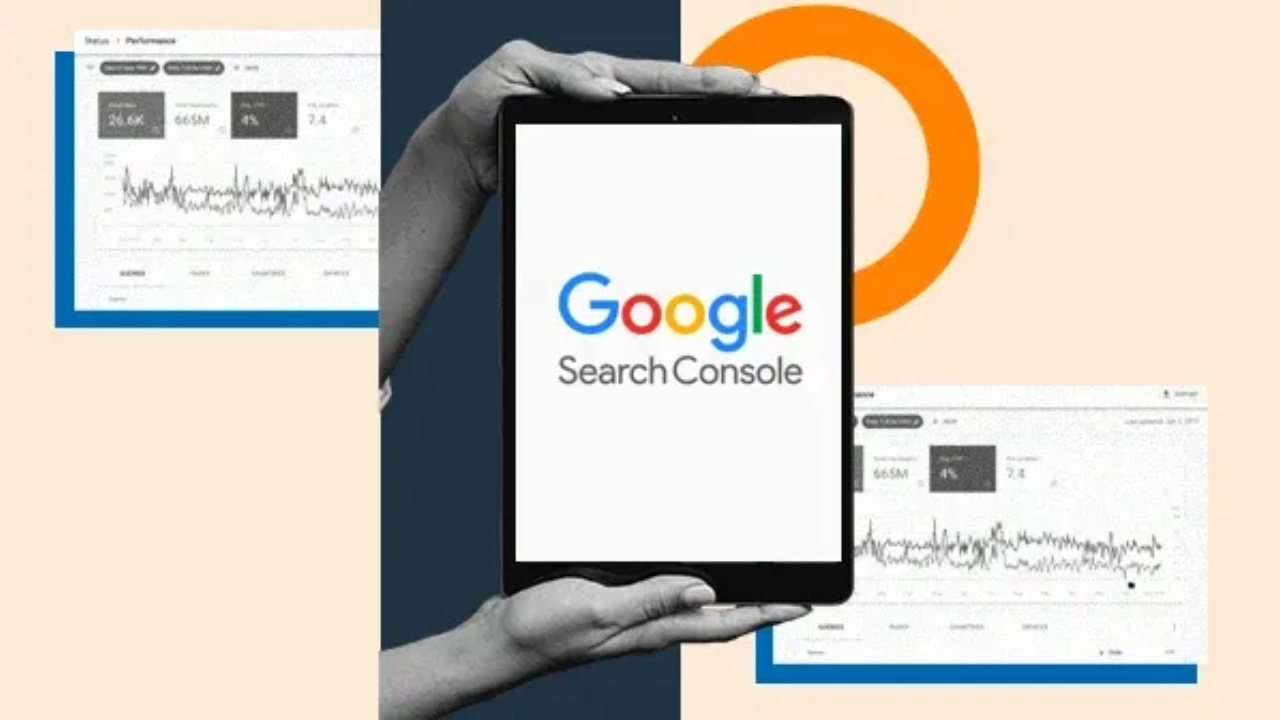
Last updated: April 2026 · Written by 20 Minute Marketing · 8 min read
If Google Analytics tells you what people do when they arrive at your website, Google Search Console tells you how they found you in the first place.
It's Google's free tool showing exactly how your website appears in search results — which keywords you're ranking for, how many people are seeing your pages, and whether Google is having any trouble finding or indexing your content.
Most small business owners either haven't set it up, or set it up once and never look at it. That's a significant missed opportunity. Search Console is the closest thing you'll ever get to a direct line of communication with Google about your website's health.
Search Console tells you what's happening — our SEO course for small business teaches you what to actually do about it.
Setting Up Google Search Console
📘 Want the full picture? Read our SEO tips for small business — the complete pillar guide this article is part of.
Step 1 — Verify Your Website
Go to search.google.com/search-console. Click Add Property and enter your domain.
The easiest verification method for most small businesses is the HTML tag method — Google gives you a small piece of code to paste into the of your website. If you're using one of the platforms below, here's exactly where to paste it:
| Platform | Where to Paste the Verification Code |
|---|---|
| WordPress | Install Google Site Kit plugin — it handles verification automatically |
| Kajabi | Settings → Site Details → Google Search Console Verification |
| Squarespace | Settings → Advanced → Code Injection → Header |
| Shopify | Online Store → Themes → Edit Code → theme.liquid → paste before </head> |
Step 2 — Submit Your Sitemap
A sitemap is a file that tells Google every page on your website. On most platforms your sitemap URL is yourdomain.com.au/sitemap.xml — paste that into your browser first to confirm it exists.
In Search Console: go to Sitemaps in the left sidebar → paste your sitemap URL → click Submit. Google will check this file regularly to discover new and updated pages.
The 4 Search Console Reports That Matter Most
Performance Report — Your SEO Dashboard
Where to find it: Search Console → Performance → Search Results
This is the most important report in Search Console. It shows four headline numbers for any date range you choose:
| Total Clicks | How many times someone clicked through to your site from Google search |
| Total Impressions | How many times your pages appeared in search results (whether clicked or not) |
| Average CTR | Clicks ÷ Impressions — the percentage of searchers who chose your result |
| Average Position | Your average ranking position across all queries (lower number = higher ranking) |
Before you rewrite, check the page's current title and meta description with our free Chrome extension, which shows the character count for each so the new versions stay within length.
Index Coverage Report — Is Google Finding Your Pages?
Where to find it: Search Console → Indexing → Pages
This report shows how many of your pages Google has successfully indexed — and flags any that have errors preventing indexing. An unindexed page doesn't exist in Google's eyes. No matter how good the content, it will not rank.
The two most common errors and what they mean:
| Submitted URL not found (404) | A page listed in your sitemap doesn't exist — usually because a URL was changed without setting up a redirect. Fix: add a 301 redirect from the old URL to the new one. |
| Crawl anomaly | Google had trouble accessing the page. Usually a server timeout or temporary error. Check if the page loads normally in a browser, then request re-indexing in Search Console. |
Core Web Vitals — How Fast Is Your Site?
Where to find it: Search Console → Experience → Core Web Vitals
This report shows whether Google considers your site fast enough on mobile and desktop. Page speed is a confirmed Google ranking factor — slow pages rank lower, full stop.
The key metric is LCP (Largest Contentful Paint) — how long it takes for the main content of a page to load for a real user.
| Good | LCP under 2.5 seconds |
| Needs Improvement | LCP between 2.5–4 seconds |
| Poor | LCP over 4 seconds — actively hurting your rankings |
If pages are in the Poor category, the most common culprits are oversized images, slow hosting, or heavy page builders. Start with image compression — it fixes LCP on most small business sites.
Links — Who Is Linking to You?
Where to find it: Search Console → Links
This report shows which external websites are linking to your site and which of your own pages are most linked — both externally and internally.
External links are one of Google's strongest ranking signals. A link from a trusted source (a local news article, an industry directory, a supplier's website) tells Google your site is credible. A link from a low-quality spam directory tells it almost nothing.
The Most Valuable Search Console Hack for Small Business
This single exercise has generated more SEO results for small businesses than almost anything else — and it takes 10 minutes.
Once a month — takes 10 minutes
- Go to the Performance report
- Set the date range to the last 28 days
- Click the Pages tab and find your top 5 pages by clicks
- For each page, click through and look at the Queries tab — which exact keywords are people searching before landing on this page?
- Ask: is there a related topic I'm not covering that these searchers clearly need?
For example — if people are clicking on your "emergency plumber Melbourne" page after searching "hot water system repair Melbourne," you have a clear signal that a dedicated hot water system page would rank and convert. Without Search Console, you'd never know that search intent existed.
This exercise is one of the fastest ways to find new content opportunities already hiding in your existing traffic. The keyword research is done for you — real people are already searching for it.
Your 20-Minute Monthly Search Console Routine
You don't need to be in Search Console every day. Once a month, run through this checklist:
| Task | What You're Looking For | Time | |
|---|---|---|---|
| ☐ | Performance report | Are clicks and impressions up or down vs last month? Which queries have high impressions and low CTR? | 5 min |
| ☐ | Index Coverage | Any new 404 errors or crawl anomalies? Fix immediately — unindexed pages can't rank. | 5 min |
| ☐ | Core Web Vitals | Any pages newly degraded to "Poor" status? These need urgent attention. | 3 min |
| ☐ | Query gap hunt | Top 5 pages → Queries tab → one new content opportunity based on what people are actually searching. | 5 min |
| ☐ | Title tag fixes | Pick one high-impression / low-CTR query and rewrite the title tag and meta description for that page. | 2 min |
Twenty minutes, once a month. After three months of doing this consistently, your organic traffic decisions stop being guesswork.
Month 3 onwards: Run the full monthly routine above. Compare each month to the previous one. The trends matter more than the absolute numbers.
Want to learn SEO properly — in 20 minutes at a time?
The 20 Minute Marketing Essentials Course covers Google Search Console, GA4, keyword research, and on-page SEO in depth — all built for Australian small business owners with no prior marketing experience. $499 one-off, with 12 months access.
See the Essentials Course →Frequently Asked Questions
Is Google Search Console free?
Yes — completely free. Google Search Console is a free tool provided by Google to any website owner. There's no paid tier, no trial period, and no limit on how many properties you can add. You just need a Google account to access it.
What's the difference between Google Search Console and Google Analytics?
Google Search Console shows you what happens before someone visits your site — which keywords triggered your pages in search results, how many clicks you received, and whether Google is indexing your content correctly. Google Analytics shows you what happens after someone arrives — which pages they viewed, how long they stayed, and whether they converted. Both tools are essential and work best used together.
How long does it take for Google Search Console to show data?
After verifying your property, basic data typically appears within 24–48 hours. However, the full Performance report builds up over days and weeks as Google crawls your site and records search impressions. A meaningful baseline takes around 28 days of data to form — which is why the 28-day date range is the recommended default for monthly reviews.
How do I get my pages indexed faster in Google?
In Search Console, navigate to the URL Inspection tool, paste in the page URL, and click "Request Indexing." This signals to Google that the page is ready to be crawled. It typically speeds up indexing from weeks to days. Also ensure your sitemap is submitted and up to date — Google checks submitted sitemaps more frequently than it discovers pages by crawling.
What is a good click-through rate in Google Search Console?
Average CTR varies significantly by ranking position. Position 1 typically earns 25–35% CTR; position 3 earns 10–15%; position 10 (bottom of page one) earns around 2–3%. If your CTR is below average for your ranking position, it usually means your title tag or meta description isn't compelling enough — rewriting them is the fastest way to increase traffic without changing your ranking.
Want to rank higher without becoming an SEO expert?
The 20 Minute Marketing course shows time-poor business owners exactly what to do each week to climb Google — no jargon, no 40-hour audits.
Start Your Marketing Journey →
Built for time-poor Australian small business owners.
Learn digital marketing in 20 minutes a day
Self-paced courses from someone who runs digital for two national brands. Build skills you can show an employer or a client.