How to Increase Website Conversions Without More Traffic
Jul 30, 2026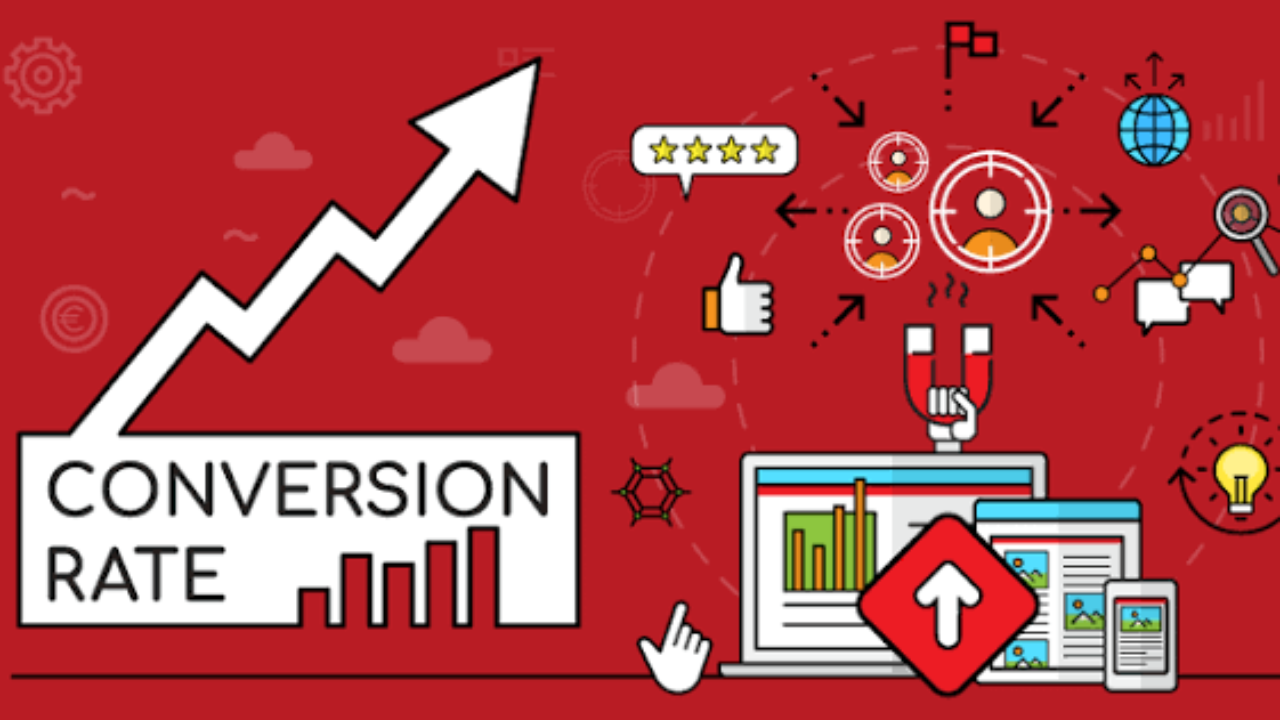
How to Increase Website Conversions Without More Traffic
To convert more of the traffic you already have: make your main call to action obvious and singular, reduce friction in forms and checkout, add trust signals like reviews near decision points, speed up your pages, and match each page to what the visitor came for. Small fixes to clarity and trust often lift conversions more than doubling your traffic.
Most businesses obsess over getting more visitors. But if only one in a hundred becomes a customer, doubling traffic just doubles the people who leave. Fixing your conversion rate is cheaper, faster, and compounds with every visitor you already get. Here is how.
5 Core Conversion Levers
1. Make One Call to Action Obvious Focus
If a visitor has to hunt for how to act, most will leave. Pick the single most important action on each page (call, book, buy, or inquire) and make it visually distinct and repeated. Competing buttons and vague links kill conversions.
Rule: One clear primary action always beats five competing options.
2. Eliminate Form & Checkout Friction Simplicity
Every extra form field, mandatory account creation step, or point of confusion creates drop-off. Collect only essential data—if a name and phone number suffice, strip out unnecessary requirements.
Rule: Audit your user flow as a customer and remove speed bumps.
3. Place Trust Signals Near Decision Points Social Proof
Buyers commit when they feel secure. Position customer reviews, client logos, star ratings, and money-back guarantees directly beside primary conversion buttons rather than burying them on dedicated testimonials pages.
Rule: Reassurance belongs directly alongside the call to action.
4. Optimize Page Loading Performance Technical
Slow load times cause high bounce rates before visitors even review your value proposition. Analyze performance using tools like PageSpeed Insights and compress unoptimized media files.
Rule: Compressing images is often the fastest ROI win on web pages.
5. Align Page Content with Visitor Intent Message Match
When traffic clicks an ad or promotional link seeking a specific solution, landing on a generic homepage causes drop-off. Ensure headline messaging, offers, and visuals mirror the entry source directly.
Rule: Match the landing page hook immediately to the ad promise.
How to Implement Conversion Testing
Avoid redesigning entire pages simultaneously. When too many variables change at once, identifying which element caused performance swings becomes impossible. Isolate and test individual components—such as headlines, button color/copy, or form field counts—and evaluate conversion rates across consistent traffic samples over a two-to-three week window.
Frequently Asked Questions
How do I increase website conversions?
Make one call to action obvious on each page, reduce friction in forms and checkout, place trust signals like reviews near decision points, speed up your pages, and match each page to what the visitor came for. Clarity and trust drive the biggest gains.
Is it better to increase traffic or conversions?
Improving conversions is usually cheaper and faster. Doubling traffic just doubles the people who leave if your conversion rate is low. Fixing conversion compounds with every visitor you already get, so it is often the better first focus.
What hurts website conversions the most?
Confusion and friction. If visitors cannot instantly tell what you do and what to do next, or if forms and checkout are slow and complicated, they leave. Clarity, trust signals, and speed are the biggest levers to fix.
How do I test conversion changes?
Change one thing at a time, such as the headline, button, or form, and watch the results over a couple of weeks. Testing single changes lets you see what actually worked, and small improvements compound over time.
Website & Conversion in 20-Minute Lessons
Learn how to optimize landing pages, eliminate user friction, and convert existing site traffic into customers.
Browse Mini-CoursesYou'll never need a Marketing Agency again!
Digital Marketing Courses that teach you more than an Agency ever could (or would!)