B2B vs B2C Marketing: What Actually Changes for a Small Business
Aug 30, 2026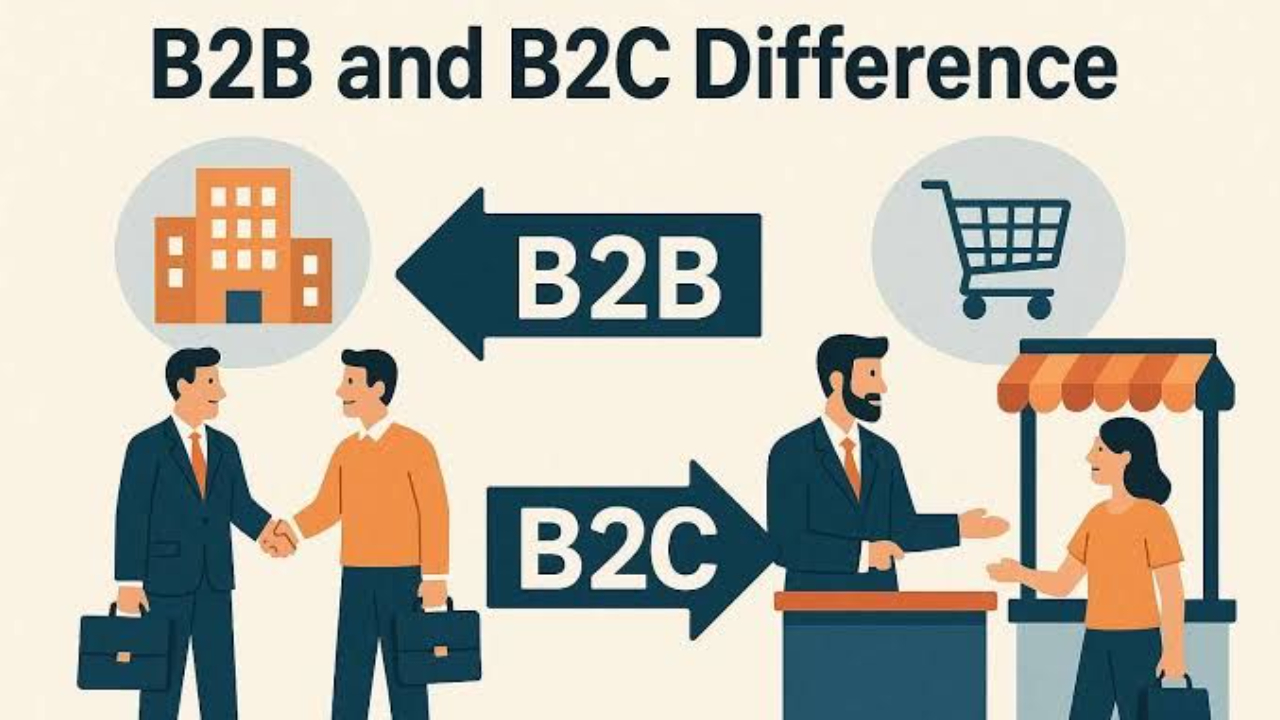
B2B vs B2C Marketing: What Actually Changes for a Small Business
B2B (selling to businesses) usually means longer sales cycles, higher prices, more people involved in the decision, and messaging built on ROI and trust. B2C (selling to consumers) usually means faster decisions, emotional and convenience-driven messaging, and higher volume. The core marketing principles are the same; what changes is the length of the journey and the tone of the message.
People treat B2B and B2C marketing like two completely different worlds. They are not. The fundamentals—know your customer, show up where they look, and make the next step easy—apply to both. What changes is the strategic emphasis. Here is what actually differs and what stays the same.
The Core Differences
| Factor | B2B (To Businesses) | B2C (To Consumers) |
|---|---|---|
| Decision Speed | Slower, considered | Faster, often impulsive |
| Decision Makers | Often several stakeholders | Usually an individual |
| Core Message | ROI, efficiency, reliability | Emotion, convenience, desire |
| Price & Volume | Higher price, lower volume | Lower price, higher volume |
| Relationship | Long-term, consultative | Transactional or brand-led |
What It Means for Your Marketing
Marketing to Businesses (B2B) Trust & Proof
If you sell to businesses, your marketing needs to build trust across a longer buyer journey. Detailed case studies, transparent ROI, client testimonials, and consultative relationships matter more than flashy advertising. Decision-makers spend company budget and often must justify choices to stakeholders—give them the proof they need.
Priority: Risk reduction, clear ROI, and long-term trust.
Marketing to Consumers (B2C) Speed & Emotion
If you sell to consumers, conversion speed and emotional connection drive performance. Highlight clear benefits, streamline the purchasing process, and leverage both emotional and practical hooks. Consumers decide faster and more instinctively—remove buying friction and give them a reason to act now.
Priority: Immediate clarity, low friction, and strong emotional benefit.
How to Handle Selling to Both Audiences
Many small businesses serve both market segments—such as a local bakery offering daily consumer retail alongside corporate event catering, or a designer handling both individual projects and corporate accounts. Avoid creating a single diluted message. Maintain distinct campaigns and landing pages: focus on emotion and convenience for consumer offers, and emphasize ROI, reliability, and invoice terms for corporate clients.
What Stays the Same
Don't overcomplicate the divide. Across both B2B and B2C channels, marketing success depends on understanding customer needs, maintaining visibility across research channels, communicating clear value, and removing conversion friction. Master these fundamentals first—B2B and B2C distinctions are tactical adjustments built on top of solid strategy.
Frequently Asked Questions
What is the difference between B2B and B2C marketing?
B2B marketing sells to businesses, with longer sales cycles, several decision-makers, and messaging built on ROI and trust. B2C marketing sells to consumers, with faster, more emotional decisions and higher volume. The core principles are the same; the emphasis differs.
Is B2B or B2C marketing harder?
Neither is inherently harder, they are different. B2B requires patience and trust-building over a longer journey, while B2C requires cutting through quickly with clear, emotional appeal. The skill is matching your approach to how your customers actually buy.
Can a small business do both B2B and B2C?
Yes, many do. The key is not to blend the messages but to tailor them: emotion and ease for consumers, ROI and reliability for business clients. It is one business having two distinct conversations.
Does emotion matter in B2B marketing?
Yes. Even when selling to businesses, you are marketing to a human who has to make and justify a decision. Trust and reassurance matter alongside ROI, so never treat B2B as purely rational.
Marketing Strategy in 20-Minute Lessons
Learn actionable marketing strategy, audience messaging, and positioning techniques tailored for growing businesses.
Browse short coursesLearn digital marketing in 20 minutes a day
Self-paced courses from someone who runs digital for two national brands. Build skills you can show an employer or a client.