Organic vs Paid Social: Where Should Your First $500 Go?
Sep 08, 2026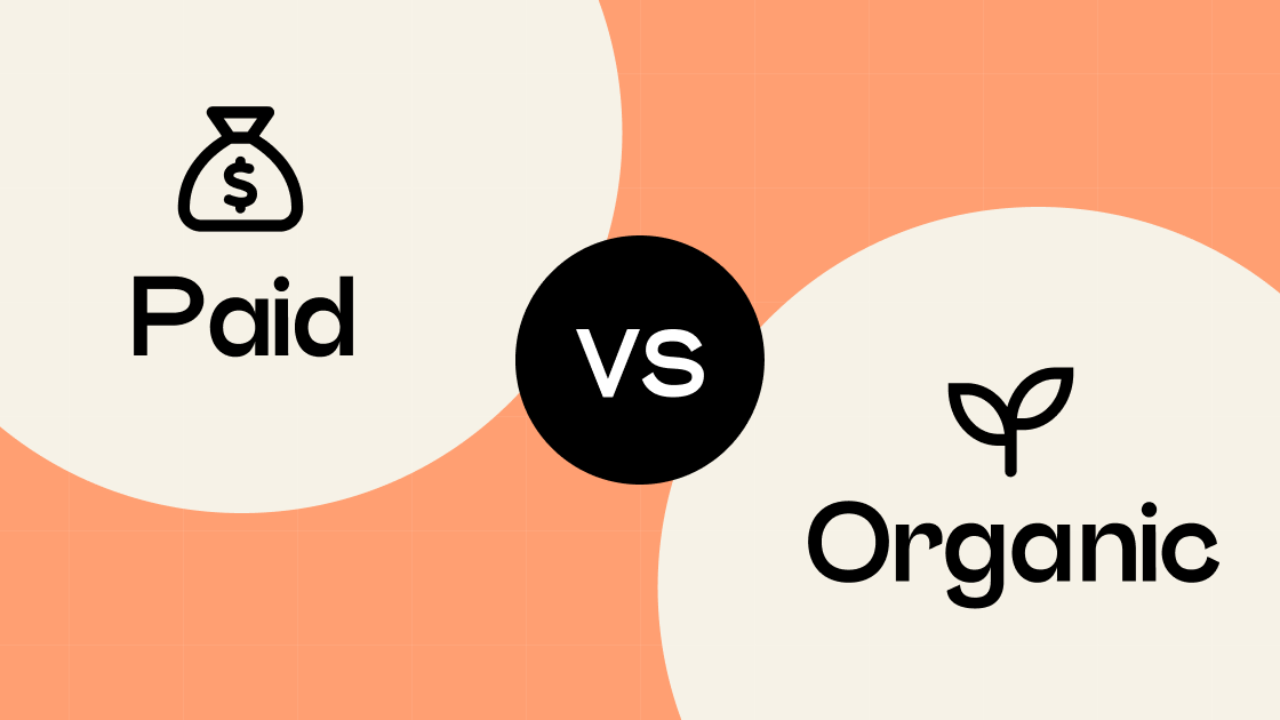
Organic vs Paid Social: Where Should Your First $500 Go?
If you need results fast, put most of your first $500 into paid social to test what messages and audiences work, because organic reach is slow to build. But do not go 100 percent paid: keep posting organically too, so the people your ads attract find an active, credible profile. A rough split is 70 percent paid to learn quickly, 30 percent organic to build trust.
You have $500 and a choice: boost posts and run ads, or invest the effort in growing your following for free. For a small business that needs results, here is the honest way to split it.
Organic vs Paid: What Each One Actually Does
Organic Social Unpaid Growth
Unpaid posts build trust, community, and brand equity over time. While slow to generate early momentum, organic content remains durable, authentic, and free to publish.
Role: Long-term credibility and customer retention.
Paid Social Targeted Ads
Ads buy immediate reach, traffic, and fast market feedback. You can pinpoint specific demographics and test hooks instantly, but visibility stops when ad spend ends.
Role: Fast audience testing and immediate lead generation.
Why Paid Wins the First $500
With a small budget and a need for quick feedback, paid channels are usually the smarter initial move because they buy actionable data. In two weeks of running targeted Meta ads, you learn which offers, headlines, and creatives earn real engagement—insights that could take months to uncover organically.
The Recommended Budget Split
For most initial campaigns, a 70% paid / 30% organic allocation balances speed and credibility:
| Channel Split | Budget Share | Primary Objective |
|---|---|---|
| Paid Social Testing | 70% ($350) | Test creative hooks, target audiences, and drive conversions. |
| Organic Presence | 30% ($150 / Content Time) | Maintain profile activity, validate trust, and answer inquiries. |
What to Do After Your Initial Spend
Treat your first $500 as market research tuition. Once performance data shows which messages convert best, double down on winning ad sets and repurpose high-performing ad hooks into organic posts and long-form content.
Frequently Asked Questions
Should I spend my first social budget on organic or paid?
If you need results fast, put most of a small first budget into paid social to test messages and audiences quickly, since organic reach is slow to build. Keep posting organically too so your profile stays active and credible.
What is a good split between paid and organic social?
For most first-timers, roughly 70 percent paid and 30 percent organic works well. Use paid to learn what resonates quickly, and organic to keep your profile active so the traffic your ads bring finds something worth staying for.
Why not spend all my budget on ads?
Because ads send people to your profile, and if it looks empty or inactive they leave. Paid brings people in, but organic content, reviews, and activity are what convince them you are credible. You need both working together.
Is $500 enough to test social ads?
Yes, for learning. A few hundred dollars run as small, focused tests can reveal which message, image, and audience get a response. Treat that first spend as tuition that teaches you what to scale, rather than expecting a big immediate return.
Social Media in 20-Minute Lessons
Learn how to build organic profiles, run low-budget paid ad tests, and fire expensive social media agencies.
Browse short coursesLearn digital marketing in 20 minutes a day
Self-paced courses from someone who runs digital for two national brands. Build skills you can show an employer or a client.