Performance Max vs. Search: The 2026 Guide to Not Getting Ripped Off
Mar 05, 2026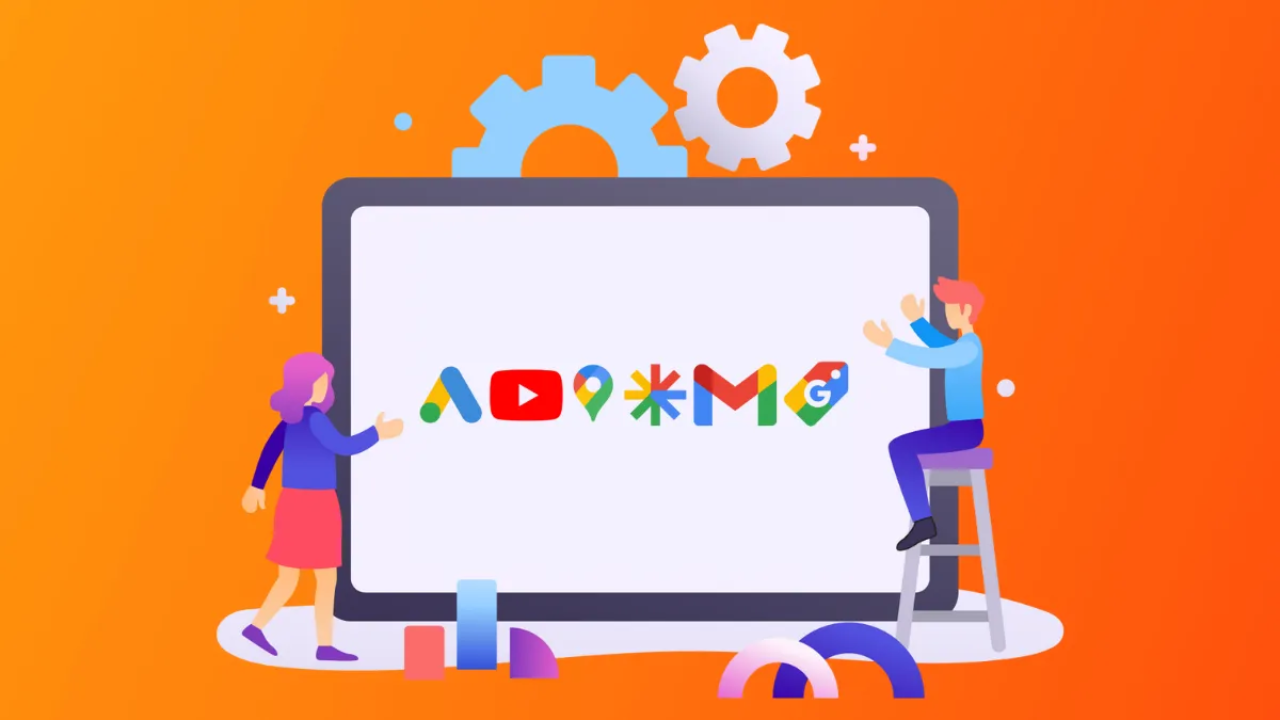
Last updated: April 2026 · Written by 20 Minute Marketing · 9 min read
If you’ve logged into your Google Ads dashboard recently, you’ve likely been met with a barrage of notifications practically begging you to "Upgrade to Performance Max." To the uninitiated small business owner, it sounds like a dream: one campaign to rule them all—Search, YouTube, Gmail, Maps, and Display—all powered by a "genius" AI that finds your customers while you sleep.
But in 2026, many Australian business owners are finding that the dream has a hidden price tag. While Performance Max (PMax) is undeniably powerful, it can also be a "black box" that prioritises Google’s inventory over your actual bottom line.
In this deep dive, we’re going to settle the debate. We'll look at the technical architecture of both campaign types, why PMax often "poaches" your organic leads, and exactly how to structure your budget so you aren't just donating to Google’s annual revenue.
Want to learn this step by step? Our Google Ads course covers campaign setup, budgets and reporting in 12 lessons of about 20 minutes.
The Architecture of Intent vs. Discovery
📘 Want the full picture? Read our our Google Ads playbook — the complete pillar guide this article is part of.
To understand which campaign is right for you, we must first understand the psychological difference between the two.
Search Ads: The "Pull" Strategy
Search Ads are built on High Intent. When someone in Hobart types "Emergency Electrician" into Google at 2:00 AM, they have a problem that needs an immediate solution. Search Ads allow you to "pull" that customer to your website. You have total control over the keywords, the specific headlines they see, and the landing page they land on. In 2026, Search remains the "gold standard" for direct-response lead generation.
Performance Max: The "Predictive" Strategy
PMax is a Goal-Based campaign. Instead of bidding on keywords, you give Google "Assets" (images, videos, headlines) and "Audience Signals." Google’s AI then predicts who might be interested in your service across its entire ecosystem. This is Discovery Marketing. It’s great for building a brand, but it can be dangerous for a local service business with a tight budget.
Independent 2025/2026 analyses of Australian accounts consistently find the same split: Search remains the champion for high-intent conversions, while PMax is better suited for broad reach and retargeting.
The "Black Box" Problem (Transparency in 2026)
The biggest grievance small businesses have with PMax is the lack of transparency. Unlike a Search campaign, where you can see exactly which word someone typed before they called you, PMax hides much of this data.
The "Cannibalisation" Trap
A common issue we see in our marketing system audits is PMax "poaching" branded traffic. If someone is already searching for your business name—say, "ABC Plumbing"—PMax will often show an ad to that person. This makes your PMax report look incredible (high ROAS!), but you’re actually paying for a click you would have gotten for free via your organic listing.
The 20-Minute Fix: You must apply Account-Level Brand Exclusions. This forces PMax to find new customers instead of taking credit for people who already know you.
When to Use Search (The Service Business Foundation)
If you are a service-based small business (tradie, lawyer, consultant) with a budget under $2,000 per month, Search should be your primary engine. Here is why:
- Direct ROI Tracking: You can see which specific services are driving revenue.
- Budget Protection: You can block "junk" traffic using negative keywords—something that is much harder to do in PMax.
- Speed of Learning: Search campaigns "learn" faster because the data is cleaner. PMax needs a high volume of data (Google recommends 30-50 conversions per month) to work effectively.
Strategic Tips for Search in 2026
- Exact Match is your Friend: While Google pushes "Broad Match," keep your core services on "Exact" or "Phrase" match to maintain a lower Cost Per Lead.
- Focus on 'Negative' Harvesting: Spend 10 minutes a week in your Search Terms Report. If you see "Job" or "Salary," exclude them.
When to Use Performance Max (The Scaling Engine)
PMax isn't the "villain"—it’s just often used incorrectly. It is an excellent tool for E-commerce or businesses with High Lead Volume.
How to "Drive" the AI
In 2026, PMax is only as good as the Audience Signals you give it. Don't just let it "guess."
- First-Party Data: Upload your email list of past customers. This tells the AI: "Find more people exactly like these."
- Asset Variety: Google now requires high-quality video for PMax. If you don't provide a video, Google will "auto-generate" one using your images—and trust us, it usually looks terrible. Use AI tools for small business to create simple, 15-second clips.
The "Hybrid" Approach (The 2026 Winner)
The most successful accounts we manage at 20 Minute Marketing don't choose one or the other. They use a Complementary Structure.
| Goal | Primary Campaign | Why? |
| Direct Leads | Search (Manual/Phrase) | Captures high-intent "need it now" traffic. |
| Brand Awareness | PMax (Limited Assets) | Keeps your brand top-of-mind across YouTube/Gmail. |
| Retargeting | PMax (Audience Only) | Reminds visitors to come back and finish their booking. |
Businesses using a considered multi-channel approach consistently see higher conversion rates than those relying on a single campaign type alone — provided each channel is given a clear, separate job.
Critical Guardrails for Small Businesses
If you do decide to run PMax, you must set these three "safety switches" to avoid a total budget meltdown:
- URL Expansion: Turn this off unless you want Google sending traffic to your "Privacy Policy" page or old blog posts. Only send traffic to your high-converting landing pages.
- Final URL Exclusions: If you leave Expansion on, exclude your "Thank You" pages and "Contact" pages so Google doesn't count a page load as a conversion.
- Target ROAS/CPA: Never start a PMax campaign on "Maximize Conversions" without a target. If you don't set a limit, the AI will spend your entire daily budget as fast as possible, often on low-quality placements.
Choosing Your Path
In 2026, the "best" campaign is the one you can actually control. For most small businesses, that means starting with a rock-solid Search Campaign to capture immediate demand and only graduating to Performance Max once you have the data and creative assets to feed the beast.
The machine is smarter than ever, but it still needs a human in the cockpit.
Frequently Asked Questions
Should a small business use Performance Max or Search ads?
For most service-based small businesses with budgets under $2,000/month, Search should be the primary engine because it captures high-intent demand with full control over keywords and negatives. Performance Max suits e-commerce and high-lead-volume businesses, or as a secondary brand and retargeting layer once Search is solid.
Why does Performance Max "cannibalise" my branded traffic?
PMax will often serve ads to people already searching your business name, claiming credit for clicks you'd have won for free through your organic listing. This inflates the reported ROAS. The fix is to apply account-level brand exclusions, forcing PMax to find genuinely new customers instead.
How much data does Performance Max need to work?
Google recommends roughly 30 to 50 conversions per month for PMax to optimise effectively. Below that volume the AI struggles to learn, which is why small service businesses with limited conversion data usually get cleaner, faster results from a well-structured Search campaign first.
What settings should I change before running Performance Max?
Turn off URL Expansion so Google can't send traffic to low-value pages, add Final URL Exclusions for thank-you and contact pages, and always set a Target ROAS or CPA rather than uncapped "Maximize Conversions." These three guardrails prevent the most common budget meltdowns.
Can I run Search and Performance Max together?
Yes, and the best accounts do. Give each a separate job: Search for direct high-intent leads, PMax with limited assets for brand awareness, and PMax audience-only for retargeting. The key is brand exclusions on PMax so it complements Search rather than competing with it.
Master the Machine in 20 Minutes
Does all this "PMax vs. Search" talk feel like a foreign language? You aren't alone. Most small business owners shouldn't have to be data scientists to grow their business.
In the Deluxe Digital Marketing Course, we take the guesswork out of the equation. We provide you with the exact "Hybrid Framework" we use to scale Australian businesses. You'll get:
- The PMax "Safety Checklist": How to turn off the hidden settings that drain your wallet.
- The Search Keyword Vault: A list of 500+ negative keywords for your specific industry.
- 20-Minute Weekly Maintenance: How to check your ads between coffee and your first meeting.
Enrol in the Deluxe Digital Marketing Course here
Get the complete digital marketing system built for Australian small business.
View the Essentials Program →Need help picking a course? get a course recommendation.
Tired of Google Ads eating your budget?
Inside the 20 Minute Marketing course you'll learn the exact ad structure that profitable small businesses use to keep cost-per-lead low and conversions high.
Built for time-poor Australian small business owners.
Learn digital marketing in 20 minutes a day
Self-paced courses from someone who runs digital for two national brands. Build skills you can show an employer or a client.