Email Segmentation for Small Business: How to Send the Right Message to the Right Customer Every Time
Dec 08, 2025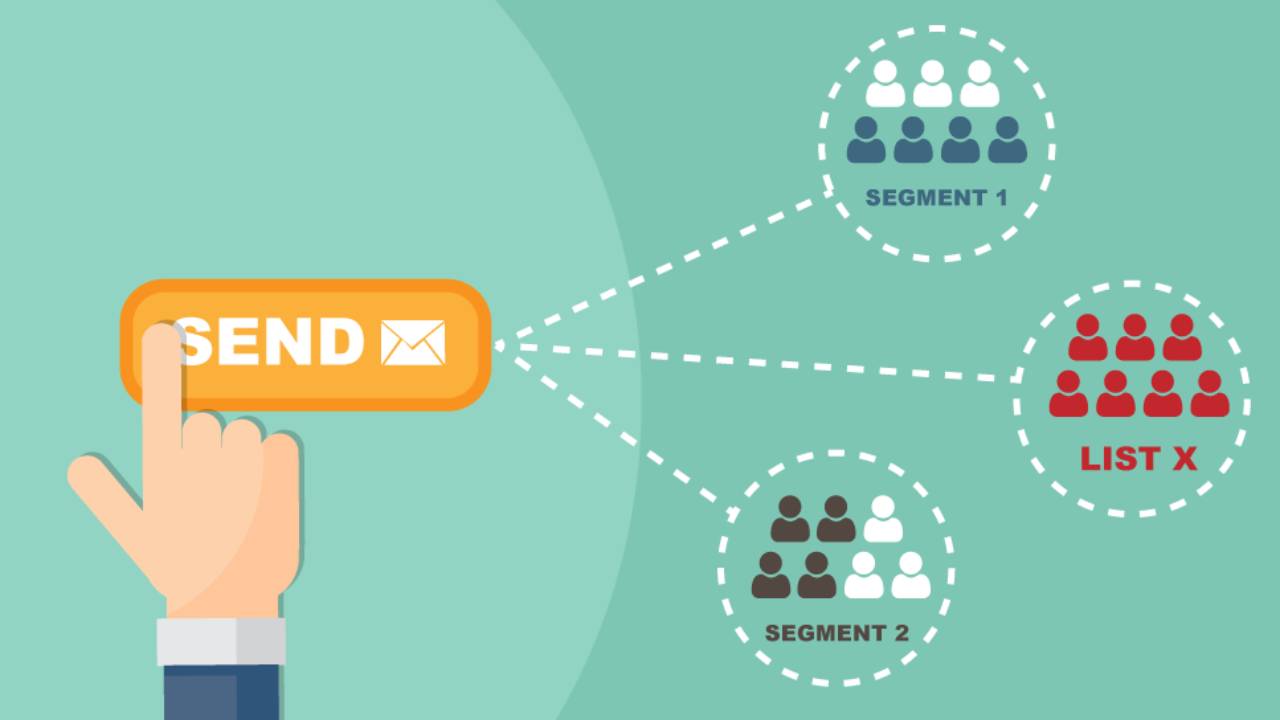
Last updated: April 2026 · Written by 20 Minute Marketing · 9 min read
Sending the same email to your entire list is leaving significant revenue on the table. Email segmentation — dividing your subscribers into groups and sending each group content relevant to them — typically doubles open rates and triples conversion rates compared to broadcast emails.
The good news for Australian small businesses: you don’t need complex technology to start segmenting. Even basic segmentation applied consistently produces measurable improvement within 60 days.
The 5 Most Valuable Segments for Small Business Email Lists
📘 Want the full picture? Read our how to automate your email — the complete pillar guide this article is part of.
1. Lead Source Segment
Where did each subscriber come from? Someone who downloaded a free guide about SEO has different interests than someone who signed up through your social media. Tag subscribers at the point of opt-in with their source so you can send them content relevant to the reason they joined.
How to implement: in your email platform, create separate forms for each lead magnet or opt-in source. Each form applies a tag automatically on signup. No manual work required after setup.
2. Engagement Segment
Divide your list into Active (opened in last 60 days), Warm (opened 60–90 days ago), and Cold (no opens in 90+ days). Send your most promotional content to Active subscribers, re-engagement campaigns to Warm, and either a re-engagement sequence or suppression to Cold.
Why this matters: sending promotional emails to Cold subscribers damages your sender reputation, reduces deliverability across your whole list, and produces no revenue. Suppressing or re-engaging them first protects your deliverability.
3. Purchase Stage Segment
Three groups: subscribers who have never bought (Prospects), subscribers who have bought once (First-time Customers), and subscribers who have bought multiple times (Loyal Customers). Each group needs completely different content:
| Segment | Best content type | Goal |
|---|---|---|
| Prospects | Education, social proof, offer introduction | First purchase |
| First-time customers | Onboarding, related products, review request | Second purchase + review |
| Loyal customers | Exclusive offers, referral program, VIP access | Retention + referral |
4. Interest/Topic Segment
Track which email topics each subscriber clicks on. Someone who clicks every email about Google Ads and ignores everything about social media is telling you clearly what they care about. Use click-tracking to build interest tags, then send targeted content to each interest group. Most email platforms (Mailchimp, Klaviyo, ActiveCampaign) do this automatically.
5. Location Segment (for Multi-Location or Service Area Businesses)
If you serve multiple suburbs, states, or regions, segmenting by location lets you send locally relevant content: a Melbourne case study to Melbourne subscribers, a Brisbane promotion to Brisbane subscribers. Ask for suburb or postcode at opt-in with a field, or collect it at first purchase and append it to the subscriber record.
Where to Start: The 20-Minute Segmentation Setup
- Tag by engagement today — most platforms have a built-in filter for "opened in last X days." Create three smart segments right now: Active, Warm, Cold.
- Add a lead source tag to your next opt-in form — the next person to join your list gets tagged with how they found you.
- Tag your next purchase — when a subscriber buys, tag them as a customer. Most email platforms integrate with Shopify, WooCommerce, or Kajabi to do this automatically.
Start with engagement segmentation first — it’s the fastest way to improve deliverability and the most impactful change for most small business email lists. See our email list cleaning guide for the full re-engagement and suppression process.
Frequently Asked Questions
How large does my list need to be before segmentation is worthwhile?
Segmentation adds value from as few as 200 subscribers. Even with a small list, separating active from cold subscribers improves deliverability immediately. The engagement segment is worth implementing from day one — it has zero downside and protects your sender reputation as your list grows.
Do I need to write different content for every segment?
Not completely. Start by sending your standard newsletter to your Active segment only, and create a separate re-engagement campaign for Warm and Cold. That single change — requiring one extra campaign per quarter — will improve your metrics significantly. More advanced segmentation (interest-based, location-based) can be layered in once the basics are working.
Get the complete email marketing system for Australian small business — including segmentation templates.
Check Out Essentials →Ready to put email on autopilot?
The 20 Minute Marketing course walks you through every sequence, automation and list-building tactic — built for owners with no time to spare.
Built for time-poor Australian small business owners.
You'll never need a Marketing Agency again!
Digital Marketing Courses that teach you more than an Agency ever could (or would!)