Why Isn't My Website Ranking? 12 Reasons (and Fixes)
Aug 06, 2026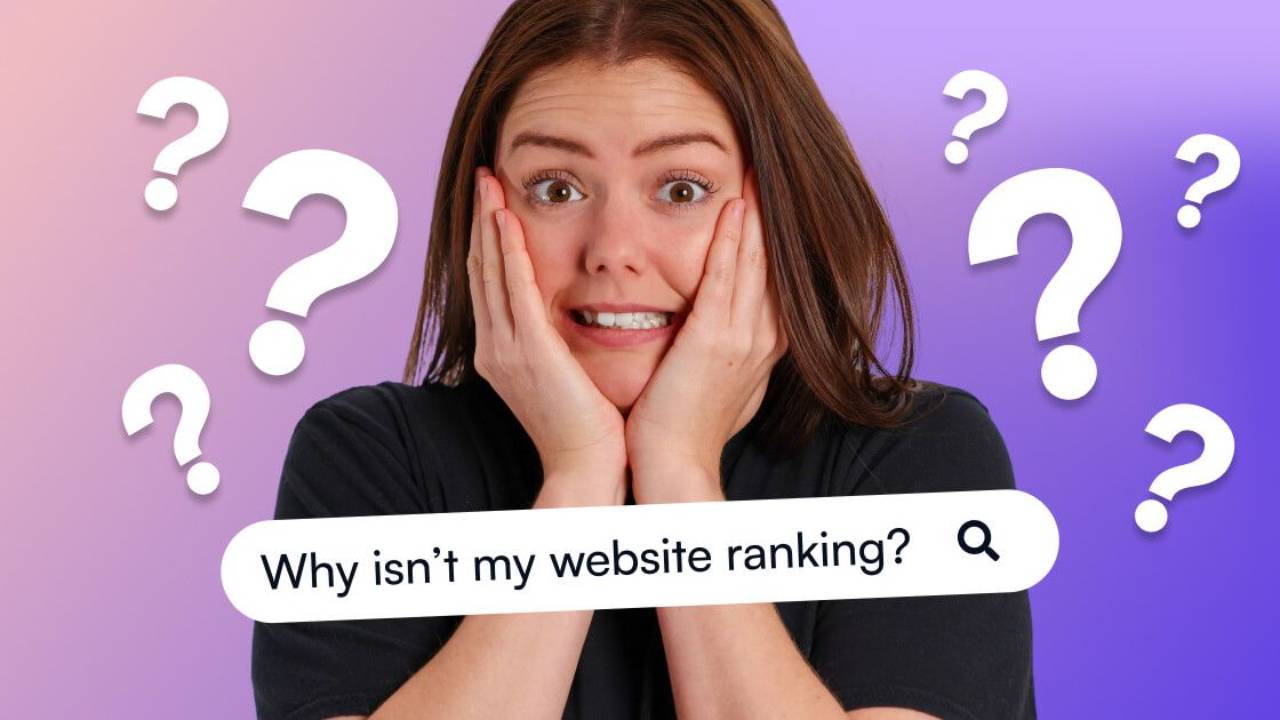
Why Isn't My Website Ranking? 12 Reasons (and Fixes)
Websites struggle to rank due to indexing gaps, domain age, page load speeds, thin content, missing backlinks, or high keyword competition. Resolve indexing errors and performance issues first, then improve content depth and domain authority. Addressing top technical factors usually restores search visibility.
Building a website without seeing search results is frustrating, yet common. Most ranking issues trace back to identifiable, fixable technical or content factors. Below are 12 frequent reasons websites fail to rank, organized logically for audit and remediation.
Technical & Initial Setup Checks
1. Missing Indexing Status Technical SEO
Google cannot rank pages omitted from its search index. Inspect URL coverage using Google Search Console and submit an XML sitemap to ensure proper crawling.
Best for: Verifying basic search engine access.
2. Unestablished Domain History Domain Age
Newly launched domains require time to establish search authority. Ranking progression across competitive search terms routinely takes several weeks or months.
Best for: Setting realistic timelines for new site launches.
3. Slow Page Load Speeds Site Speed
Slow load times hurt both user retention and search placement. Audit load metrics with PageSpeed Insights to compress images and optimize assets.
Best for: Improving Core Web Vitals performance metrics.
4. Poor Mobile Optimization User Experience
Google uses mobile-first indexing to rank websites. Unresponsive design, difficult navigation, or text scaling issues negatively impact desktop visibility too.
Best for: Ensuring search accessibility across device formats.
Content Quality & Keyword Alignment
5. Thin or Incomplete Content Content Depth
Pages lacking useful detail offer limited search value. Build comprehensive content that thoroughly answers user questions and intent.
Best for: Building search relevance and visitor engagement.
6. Duplicate Page Content On-Page SEO
Identical or overlapping content across pages creates keyword cannibalization. Consolidate similar pages or implement canonical tags to clarify preferred versions.
Best for: Preventing self-competing URLs in indexation.
7. Unclear Keyword Strategy Optimization
Pages created without dedicated primary keywords struggle to rank. Optimize titles, headers, and body copy around specific user search terms.
Best for: Focusing search intent targeting accurately.
8. Zero Search Volume Topics Research
Thorough articles written on subjects without active search demand yield minimal organic traffic. Validate search volume before drafting new content.
Best for: Directing content efforts toward real search traffic.
Authority, Competition & Penalties
9. Missing External Backlinks Off-Page SEO
Inbound links from reputable websites serve as core trust signals. Sites without backlinks often lag behind authoritative competitors.
Best for: Developing domain authority and trust signals.
10. Overly Competitive Target Keywords Keyword Strategy
Targeting broad, high-competition keywords makes early progress difficult for newer domains. Focus on specific long-tail queries to capture qualified search traffic faster.
Best for: Securing initial organic rankings efficiently.
11. Weak Local Search Signals Local SEO
Incomplete or unverified Google Business Profiles hinder local pack placement. Maintain accurate, consistent business information across local directories.
Best for: Improving regional and map search visibility.
12. Search Penalties or Unsound Tactics Security & Policy
Past spam link strategies or manual actions limit site-wide performance. Check Search Console for manual penalty notices or security issues.
Best for: Resolving compliance blocks and ranking suppressions.
How to Prioritize Fixes Efficiently
Avoid attempting all optimizations at once. Prioritize foundational technical issues: indexation, site speed, and mobile responsiveness. Next, refine on-page content alignment and keyword specificity. Leave backlink building for last, as domain authority accumulates naturally over time once technical and content foundations are secure.
Frequently Asked Questions
Why is my website not showing up on Google search results?
The most common causes are delayed URL indexation, new domain age, slow load performance, thin content depth, or competing for broad, high-competition keywords. Start by inspecting indexing status in Google Search Console.
How long does it take for a new website to rank on Google?
New sites typically require several weeks to a few months to secure steady rankings. Timeline duration depends on keyword competition, technical site setup, and domain trust signals.
Does website speed directly impact search rankings?
Yes. Page speed is an explicit ranking signal. Slow loading times harm user retention and search placement. Optimize site speed by compressing images and leveraging browser caching.
What is the first action to take if a site is not ranking?
Check indexation status using Google Search Console. Unindexed pages cannot be ranked by search algorithms, making index verification the necessary first step.
Master SEO Fundamentals in 20 Minutes
Our actionable SEO mini-course shows small business owners how to fix ranking barriers, build search authority, and capture qualified Google traffic through straightforward lessons.
Browse Mini-CoursesYou'll never need a Marketing Agency again!
Digital Marketing Courses that teach you more than an Agency ever could (or would!)